If you’re a small business owner, you know that running a business is as thrilling as it is challenging. But have you ever thought about the risks that could potentially derail your journey to success? Enter: small business insurance. It’s not just a safety net; it’s a pivotal element of your business strategy.
In this guide, we’re diving deep into the world of small business insurance. We’ll explore three crucial types of insurance that every small venture should consider. Whether you’re a seasoned business owner or just starting out, understanding these insurance types can help you protect your business from unforeseen setbacks.
Understanding 3 Small Business Insurance Types
Did you know that over 40% of small businesses are uninsured? That’s a risky move! Let’s dive into the world of small business insurance and explore why it’s crucial for your business’s survival.
Small business insurance isn’t just a legal requirement; it’s your safety net. There are three main types you need: General Liability Insurance, Professional Liability Insurance, and Business Property Insurance. Each offers unique coverage and benefits.
General Liability Insurance
This insurance is your first line of defense against accidents and lawsuits. With General Liability Insurance, you’re covered for bodily injuries, property damage, and even advertising mistakes. Imagine a customer slipping in your store and suing you. Without this insurance, you’re on the hook for costly legal fees.
Professional Liability Insurance
If you provide professional services, this is a must-have. Professional Liability Insurance safeguards you against claims of negligence or mistakes in your work. For instance, if you’re a consultant and your advice leads to a client’s financial loss, they might sue. Having this insurance covers your back.
Business Property Insurance
Your office is more than just a physical space—it’s your business’s heart. Business Property Insurance protects your building and its contents from events like fires or theft. Without it, a single incident could wipe out your assets.
Let’s compare the costs and risks. While premiums vary, not having insurance can cost you your business. Consider this:
| Insurance Type | Average Annual Cost | Risk of Not Having |
|---|---|---|
| General Liability | $500-$1,000 | High legal fees, potential bankruptcy |
| Professional Liability | $1,000-$3,000 | Loss of reputation, major financial losses |
| Business Property | $500-$2,000 | Complete asset loss, inability to operate |
Pro Tip: Shop around and bundle policies to save money without skimping on coverage.
Legal Requirements and Small Business Insurance
Did you know that failing to have the right insurance can sink your business faster than a financial crisis? Here’s the reality: many small businesses overlook legal insurance requirements, exposing themselves to massive risks.
If you’re a small business owner, understanding your legal obligations for insurance isn’t just smart—it’s essential. Depending on your location and industry, the law might require you to carry certain types of insurance. Ignore these laws, and you could face steep fines or even shut down your business for good.
Industries and Their Specific Insurance Needs
Not all industries are created equal when it comes to insurance requirements. For example, if you’re in construction, you might need general liability and workers’ compensation insurance. But if you’re in tech, it’s more about cyber liability insurance to protect against data breaches.
Restaurants often require insurance that covers foodborne illness claims. In contrast, legal firms might need professional liability insurance to guard against malpractice suits. This isn’t just about compliance—it’s about survival in your niche.
Consequences of Ignoring Insurance Requirements
Choosing to ignore insurance requirements is a recipe for disaster. Non-compliance can lead to hefty fines, or worse, the government could shut down your business. That’s like leaving your business unprotected in a storm!
Here is the deal: operating without required insurance can also result in personal liability. If you’re sued, your personal assets could be at risk. And guess what? Lawsuits are more common than you think.
Pro Tip: Always consult with an insurance expert familiar with your local laws and industry specifics to ensure full compliance.
How to Choose the Right Insurance for Your Small Business

Did you know that 40% of small businesses have never been properly insured? That’s a ticking time bomb you can’t afford!
Choosing the right insurance for your small business can feel like navigating a maze. With so many options out there, it’s easy to get overwhelmed. BUT, the key is to focus on what your business really needs.
Identify Your Business Risks
First, you need to pinpoint exactly what risks your business faces. Are you a bakery worried about a slip-and-fall accident? Or maybe you’re in tech and concerned about cyber threats. Here’s the deal: Different businesses need different types of coverage. The risks associated with a construction company are vastly different from those of a consulting firm.
- List potential threats your business might encounter.
- Evaluate past incidents and how they impacted your operations.
By understanding your unique risks, you can tailor your insurance to cover what matters most.
Evaluate Insurance Providers Step-by-Step
Now that you know what coverage you need, it’s time to find the right provider. This step-by-step guide will keep you on track. Here’s a shocking stat: only 25% of small business owners compare multiple providers before choosing one. Don’t be like them!
- Start by gathering recommendations from fellow business owners.
- Check each provider’s reputation and financial stability.
- Look for providers that specialize in your industry.
Pro Tip: Always read reviews and ask for customer testimonials.
Compare Insurance Plans and Coverages
Before you sign anything, it’s crucial to compare different plans side-by-side. This ensures you’re getting the best deal for your dollar. Not all policies are created equal, and some might leave you exposed.
| Insurance Type | Coverage | Premium | Deductible |
|---|---|---|---|
| General Liability | Customer injuries, property damage | $500/year | $1,000 |
| Professional Liability | Errors and omissions | $700/year | $2,000 |
| Commercial Property | Fire, theft, natural disasters | $1,200/year | $500 |
By following these steps, you’ll be better equipped to choose insurance that protects and supports your business. And remember, the right insurance isn’t just a cost—it’s an investment in your company’s future.
Cost-Saving Strategies for Small Business Insurance
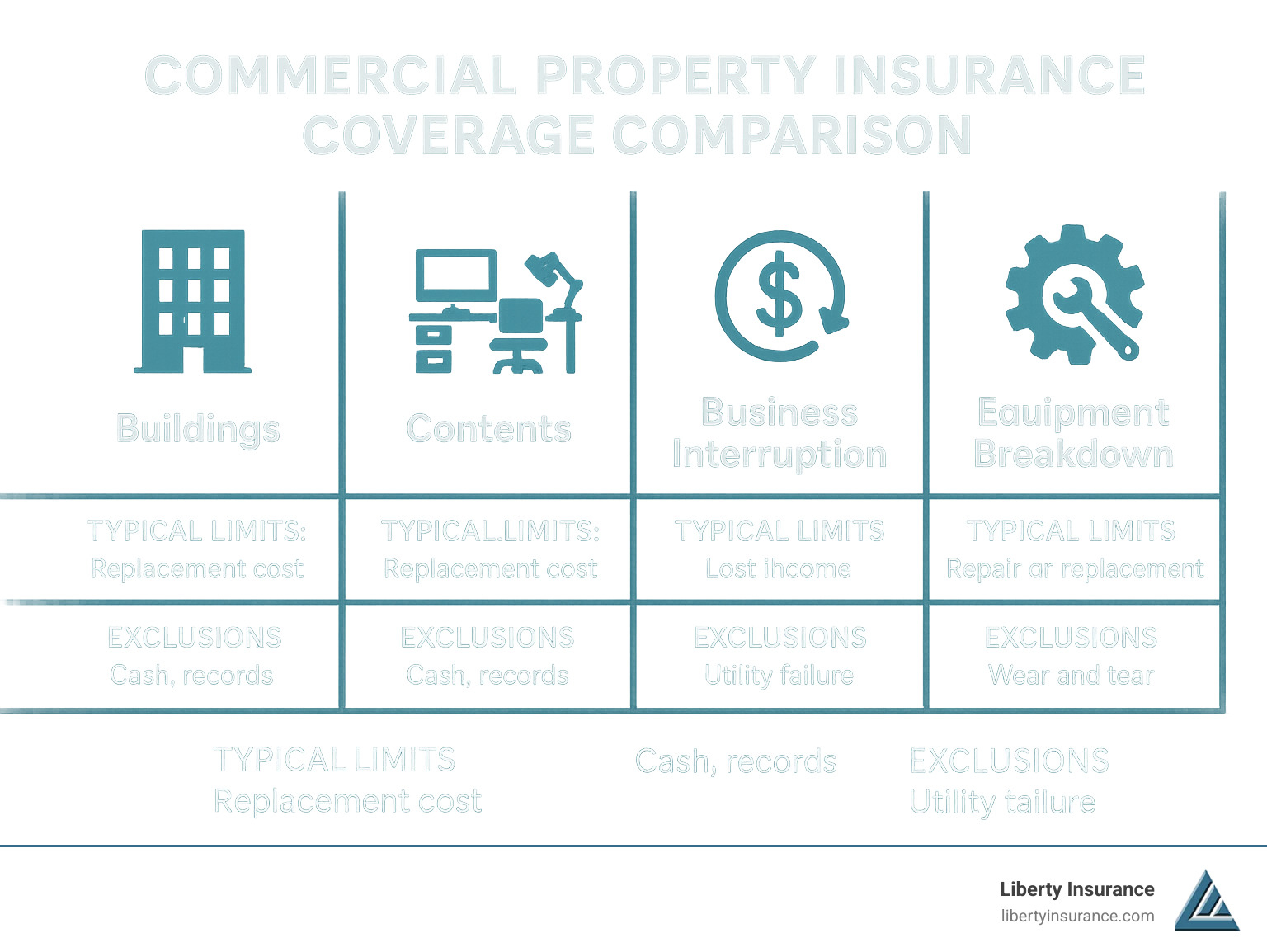
Are you tired of shelling out big bucks on insurance premiums? You’re not alone. Small business owners everywhere are looking for ways to cut costs without skimping on coverage. Fortunately, there are smart strategies to do just that.
Let’s dive into some proven methods that can help you keep more of your hard-earned dollars while ensuring your business stays protected. From bundling policies to leveraging discounts, these tips can make a significant difference in your bottom line.
Reducing Premiums Without Losing Coverage
One of the best ways to save on insurance is to increase your deductible. It sounds risky, but it can lead to substantial premium reductions. The key is to balance a higher deductible with what you can afford to pay out of pocket.
Another effective tactic is to review and update your coverage regularly. As your business evolves, so do your insurance needs. Ensure you’re not over-insured on outdated assets or paying for unnecessary extras.
Bundling Insurance Policies for Savings
Did you know that combining multiple insurance policies can lead to significant discounts? It’s true. Many insurers offer reduced rates when you bundle, say, general liability and commercial property insurance under one plan.
But here is the deal: bundling is not just about cost savings. It also simplifies your management process, with fewer renewal dates and less paperwork to handle.
Resources and Programs Offering Discounts
There are numerous resources available that offer discounts or incentives for small businesses. Many local chambers of commerce have partnerships with insurers to provide members with lower rates.
- Check if your industry association offers insurance discounts.
- Explore government programs aimed at supporting small businesses with insurance costs.
- Look for insurers that offer loyalty discounts after consecutive claim-free years.
Pro Tip:
Ask your insurer about available discounts. You might be eligible for savings that are not publicly advertised.
Case Studies
Ever wonder how real-world businesses leverage insurance for survival and success? I’ve got a few inspiring stories that showcase exactly that!
These case studies illustrate how strategic insurance coverage can act as a lifeline, turning potential disasters into minor hiccups. Let’s dive into how smart business owners used insurance to bounce back stronger than ever.
Small Bakery Thrives Post-Fire
When a fire ravaged a local bakery, the owner was devastated. BUT, thanks to their comprehensive business interruption insurance, they didn’t have to worry about revenue loss during repairs. The insurance not only covered the cost of rebuilding but also ensured payroll continuity for the staff.
- Always review and update your coverage regularly.
- Adequate business interruption insurance can mean the difference between closure and recovery.
- Maintain detailed inventory and asset records for smooth claims processing.
Here is the deal: Without this proactive planning, the bakery would have faced a financial crisis. Instead, they emerged better equipped and with a stronger community presence.
Tech Startup Shields Against Cyber Threats
In the tech world, cyber threats are a constant worry. A startup learned this the hard way when they faced a data breach. HOWEVER, their cyber liability insurance was a game changer. It covered legal fees, customer notifications, and even damage control efforts.
- Cyber insurance is crucial in today’s digital age.
- Understand the specific threats to your industry and tailor your policy accordingly.
- Train staff regularly on cybersecurity best practices.
Pro Tip: Invest in cyber insurance before you think you need it. The peace of mind it brings is invaluable.
Retail Store Rebuilds After Natural Disaster
Natural disasters can strike at any moment. A family-owned retail store learned this when a hurricane hit their town, leaving the store in ruins. Thankfully, their property insurance was comprehensive enough to cover all damages, enabling them to rebuild without crippling financial stress.
- Evaluate risk levels specific to your geographic location.
- Ensure your property insurance covers all potential natural disasters.
- Regularly update coverage limits to reflect current asset values.
Without insurance, this disaster could have ended their business. Instead, they reopened with a renewed sense of purpose and resilience.
The Impact of Not Having Insurance on Small Businesses
Did you know that 40% of small businesses never reopen after a disaster? That’s right. Running a business without insurance is like walking a tightrope without a safety net.
Let’s dive into the financial and operational risks your small business faces when you’re not covered. One unfortunate slip, and you could be facing immense losses, from property damage to lawsuits. Imagine a fire breaking out, or a customer suing you — without insurance, your business and personal assets are at stake. These risks are not just theoretical. They’re real. And they could be devastating.
Financial and Operational Risks of Operating Without Insurance
Without insurance, your business is exposed to massive financial liabilities. For example, if an employee is injured on the job, you might be liable for medical expenses and lost wages. Without the backing of insurance, those costs come straight out of your pocket. What’s worse, operational risks like data breaches or natural disasters can halt your business operations. Imagine losing all your customer data in a cyber attack. Can you afford to rebuild from scratch?
Examples of Businesses That Suffered Due to Lack of Insurance Coverage
Consider the case of Joe’s Bakery, which was wiped out by a flood. Joe had no flood insurance. He lost everything. Or think about the tech startup that got sued for patent infringement. They had no legal insurance to cover the defense costs. These businesses didn’t plan to fail, but by not having insurance, they failed to plan.
Alternative Solutions or Safety Nets for Uninsured Small Businesses
If insurance isn’t an option, there are a few strategies you can consider. First, build an emergency fund to cover unexpected costs. This won’t replace insurance, but it can cushion the blow. Second, look into partnerships with other businesses to share risks. Finally, consider joining an industry association that offers group insurance rates. It’s a smart way to lower costs while still getting coverage.
Pro Tip: “Even if you’re on a tight budget, prioritize insurance. It’s your business’s best defense.”
Closure
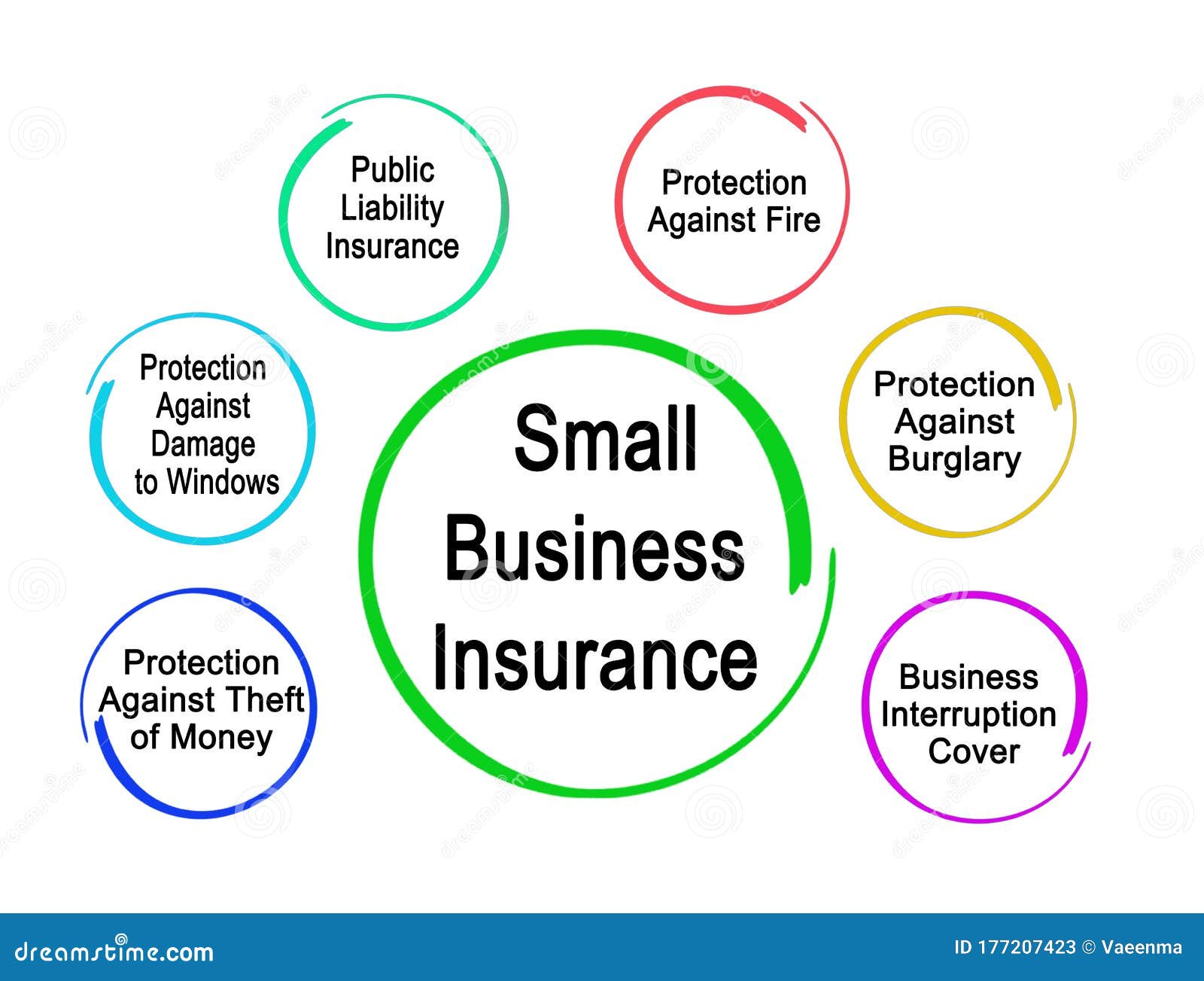
In the unpredictable world of business, insurance isn’t just a luxury—it’s a necessity. By understanding and implementing the right types of insurance, you’re not only safeguarding your business but also setting it up for future success. Don’t wait for disaster to strike; equip your business with the protection it deserves today.
FAQ
What are the three common types of small business insurance?
The three common types are General Liability Insurance, Property Insurance, and Workers’ Compensation Insurance.
Why is small business insurance important?
It protects your business from potential financial losses due to accidents, lawsuits, property damage, and other unforeseen events.
What are the legal requirements for small business insurance?
Legal requirements vary by state and industry, but commonly include workers’ compensation and liability insurance.
How can I reduce my small business insurance premiums?
Consider bundling policies, improving safety measures, and regularly reviewing your coverage to eliminate unnecessary costs.
What happens if I don’t have insurance for my small business?
Without insurance, your business is exposed to significant financial risks, including potential lawsuits, which could lead to severe financial distress or bankruptcy.
