Hey there, fellow entrepreneurs! If you’ve been navigating the complex world of small business, you know that insurance is not just a safety net—it’s a cornerstone of smart business strategy. Enter the world of small business insurance commercials, a powerful tool to help you secure your enterprise’s future. Today, we’re diving deep into what makes these commercials tick and how they can be your secret weapon in risk management.
At first glance, an insurance commercial might not seem like a game-changer. But trust me, when done right, these ads are nothing short of brilliant. They blend storytelling, visuals, and calls to action to create a compelling narrative that resonates with business owners like you. So buckle up as we explore the elements that make these three small business insurance commercials stand out in a crowded marketplace.
Introduction to Small Business Insurance Commercials

Did you know that a single lawsuit can put a small business out of business? That’s why small business insurance commercials are more important than ever. They help business owners safeguard their hard work.
These commercials aren’t just about selling a policy. They’re about protecting livelihoods. Small business insurance commercials often showcase real-life scenarios where insurance saved businesses from financial ruin. They tap into the fears and hopes of entrepreneurs.
Key Elements of Effective Small Business Insurance Commercials
An effective small business insurance commercial usually includes a relatable story, a strong value proposition, and a clear call to action. First, they grab attention with a powerful story that resonates with business owners’ experiences. Next, they highlight how insurance can be a safety net during tough times. Finally, they conclude with a compelling call to action, urging viewers to protect their business today.
Understanding the Target Audience for Small Business Insurance Commercials
The target audience for these commercials is primarily small business owners and entrepreneurs. But why are they the focus? These individuals are often juggling multiple responsibilities and may not have the time to research insurance options. A well-crafted commercial can provide the information and reassurance they need in under a minute. By speaking directly to their pain points, commercials can convert viewers into customers.
Pro Tip: Use real testimonials to build trust and credibility in your commercials.
Types of Insurance Covered in Commercials

Did you know that 75% of small businesses are underinsured? That’s a staggering number considering the potential risks involved. Let’s dive into the types of insurance you often see highlighted in commercials.
Insurance commercials are more than just catchy jingles. They’re a gateway to understanding crucial protection for your business. From liability to property insurance, these ads cover a range of products designed to safeguard your venture against unforeseen incidents.
General Liability Insurance
General Liability Insurance is the backbone of business protection. It covers legal costs and damages if your business is sued for personal injury or property damage. Imagine a customer slipping on your shop floor—this insurance kicks in and saves the day.
Commercial Property Insurance
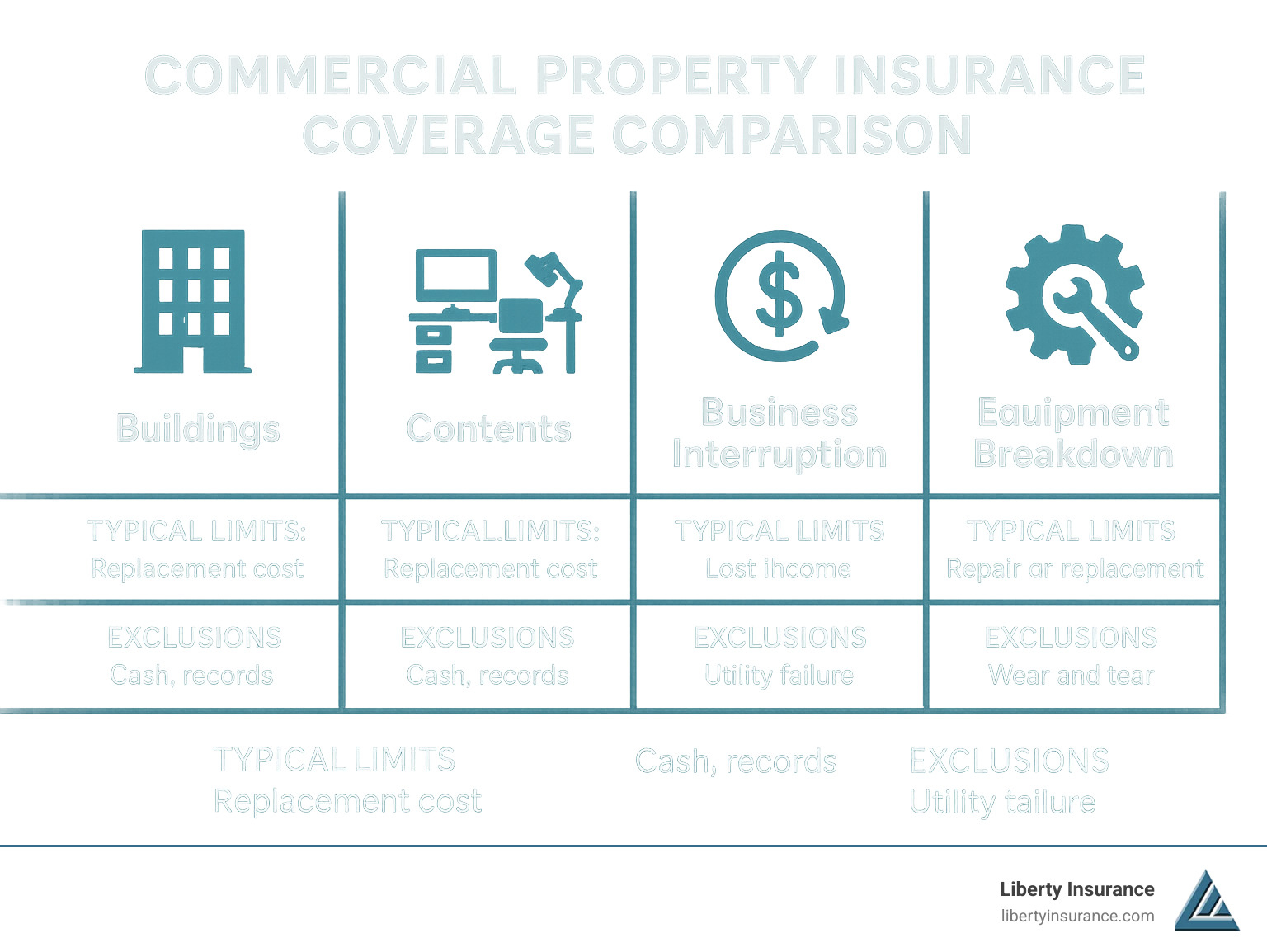
Think of Commercial Property Insurance as your business’s safety net. It protects the physical assets of your company from fire, theft, and vandalism. Whether you own a cozy café or a bustling bookstore, this insurance keeps your tangible investments secure.
Professional Liability Insurance
Professional Liability Insurance is essential for service-based businesses. It covers legal claims resulting from errors and omissions in the services you provide. If you’re offering advice or expertise, this cover shields you from costly mistakes.
Workers’ Compensation Insurance
Workers’ Compensation Insurance is a must-have if you have employees. It covers medical expenses and lost wages for employees who get injured or sick on the job. This policy not only protects your staff but also ensures you’re compliant with state regulations.
Commercial Auto Insurance
For businesses using vehicles, Commercial Auto Insurance is crucial. It provides liability and physical damage coverage for company-owned vehicles. It’s more comprehensive than personal auto policies, covering business-related incidents.
Business Interruption Insurance
Business Interruption Insurance keeps your business afloat during a crisis. It covers loss of income when operations are halted due to events like natural disasters. This insurance is the lifeline that helps you manage ongoing expenses during unexpected downtimes.
Comparison of Insurance Types
Here’s a quick comparison to help you understand the different options:
| Type | Description | Benefits | Cost |
|---|---|---|---|
| General Liability | Covers legal costs for personal injury/property damage claims | Protects against lawsuits | Moderate |
| Commercial Property | Protects physical assets from damage/theft | Secures physical investments | Variable |
| Professional Liability | Covers claims of service errors/omissions | Shields against costly mistakes | High |
| Workers’ Compensation | Covers employee injuries/illnesses at work | Ensures compliance and protection | State-dependent |
| Commercial Auto | Covers business-use vehicles | Comprehensive vehicle coverage | High |
| Business Interruption | Covers income loss during operational halts | Supports ongoing expenses | Variable |
Pro Tip: Always assess your industry-specific risks to choose the right insurance types for your business.
Key Features of Successful Insurance Commercials
Ever wondered why some small business insurance commercials just stick in your mind? It’s all about being engaging and persuasive!
Successful commercials aren’t just about selling insurance. They’re about telling a story that resonates with you. But what makes a commercial truly effective? Let’s dive in!
Engaging Storytelling Techniques
To capture an audience’s attention, commercials often use storytelling. This isn’t your average bedtime story. It’s about creating a narrative that speaks to the struggles and triumphs of small business owners. By tapping into relatable emotions like fear, triumph, and hope, these commercials make you think, “That could be me!”
For instance, a commercial might start with a struggling business owner who faces a disaster. As the story unfolds, the insurance saves the day, showcasing a transformation from chaos to stability. This powerful arc keeps you glued to the screen.
Effective Calls-to-Action
Once the commercial has your attention, the next step is getting you to act. This is where powerful calls-to-action (CTAs) come into play. A good CTA tells you exactly what to do next—like “Get your free quote now!” or “Protect your business today!”
These phrases aren’t just thrown in casually. They create a sense of urgency and direct you toward a solution to your problem. And here’s the deal: The best CTAs are simple, clear, and incredibly specific.
Pro Tip: Use a strong emotional hook in your story to make your CTA irresistible.
Designing an Impactful Insurance Commercial
Did you know that a whopping 80% of people can recall a commercial they saw in the past week? That’s the kind of impact you want for your insurance commercial. But how do you create something that stands out in a sea of ads?
Here is the deal: crafting an impactful insurance commercial isn’t just about flashy visuals. It’s about designing a strategy that resonates with your audience, tells a compelling story, and, most importantly, drives action. Let’s break down the strategy that can transform your commercial into an unforgettable experience.
Creating a Compelling Commercial Strategy
Step #1: Identify Your Target Audience. Without knowing who you’re speaking to, your message might fall flat. Research demographics, understand their pain points, and tailor your message to speak directly to their needs.
Step #2: Define Your Unique Selling Proposition (USP). What makes your insurance different from the competitors? Highlight benefits that matter most to small businesses, like personalized service or quick claim processing.
Step #3: Storytelling that Sells. Narratives are powerful. Craft a story around a typical problem your insurance solves. Use relatable characters and real scenarios to make a connection.
Steps in Planning and Producing
Before you hit the record button, there’s a lot to plan. Here’s how to do it effectively:
- Script Writing: Write a script that is clear and concise. Keep your message simple but impactful, focusing on the benefits to the viewer.
- Storyboard: Create a visual artikel of your commercial. This helps you visualize the flow and ensure alignment between your script and visuals.
- Casting and Location: Choose actors that reflect your target audience and select locations that add authenticity to your story.
- Filming and Editing: Capture high-quality footage and edit meticulously to keep the commercial engaging and within the time limits.
Incorporating Testimonials Effectively
Testimonials can be your secret weapon. They build trust and credibility.
Step #1: Select Relatable Customers. Choose testimonials from businesses similar to your target audience. This makes it easier for potential clients to see themselves in those success stories.
Step #2: Focus on Results. Highlight specific results achieved through your insurance. Numbers and specific outcomes speak louder than generic praise.
Pro Tip: “Use video testimonials. A face and voice add authenticity and connection that written testimonials often lack.”
Step #3: Keep it Brief. Testimonials should be concise and to the point. Aim for a soundbite that’s memorable and quickly communicates key benefits.
Regulatory Considerations in Commercials
Did you know that a single compliance misstep in your insurance commercial can lead to hefty fines? Small business insurance commercials must adhere to strict regulatory requirements.
Regulatory bodies are not just there to complicate things. They ensure that your advertising stays honest and transparent. But here’s the deal: compliance with these standards is critical to avoid penalties and build trust with potential customers.
Understanding Advertising Standards
First up, you need to know the advertising standards that govern your industry. These standards ensure you’re providing truthful and non-deceptive information. So, how do you stay compliant? Step #1: Review the Federal Trade Commission’s guidelines on advertising. They lay out what you can and can’t say in your commercials.
- Ensure all claims in your ads are substantiated.
- Clearly disclose any limitations, such as policy exclusions.
- Keep an eye on state-specific regulations as they can vary.
Pro Tip: Keep a compliance checklist handy when crafting your commercial to avoid missing key requirements.
Common Pitfalls and How to Avoid Them
Even if you’re careful, it’s easy to fall into some common compliance traps. One major pitfall is misleading language. For instance, don’t suggest coverage is guaranteed if it’s subject to underwriting. Another pitfall? Not disclosing all material terms. This can mislead consumers about what’s covered.
| Pitfall | How to Avoid |
|---|---|
| Misleading Guarantees | Clarify underwriting requirements upfront. |
| Omitting Terms | Include all material terms in clear language. |
Remember, understanding and following regulatory guidelines isn’t just a legal necessity. It’s a trust-builder with the audience you’re aiming to engage.
Analyzing the Effectiveness of Insurance Commercials
Ever wondered why some insurance ads stick with you while others fade away? It’s not just about having a catchy slogan. Evaluating the true effectiveness of a small business insurance commercial goes beyond that.
You need to dig into the data to see what really works. Are your commercials reaching the right audience and prompting them to take action? Here’s how you find out.
Methods for Evaluating Success
An insurance commercial’s success is measured by how well it achieves its intended goals. Start by defining what success looks like for your specific campaign. Is it more inquiries, increased web traffic, or direct sales? From there, you need to track metrics that give you insight into these areas.
Engagement is crucial. Are viewers clicking through or just watching passively? Also, consider qualitative feedback through focus groups or surveys. These provide insights that numbers alone can’t reveal.
Metrics for Audience Reach and Engagement
Tracking the right metrics helps you understand if your commercials are hitting the mark. But which metrics should you prioritize?
| Metric | Description | Importance | Example |
|---|---|---|---|
| View Count | Number of times the commercial was viewed. | Indicates reach and initial interest. | 1M views on YouTube |
| Click-Through Rate (CTR) | Percentage of viewers who click on a link after watching. | Shows engagement and interest in learning more. | 2% CTR on a landing page |
| Conversion Rate | Percentage of viewers who complete a desired action. | Measures the effectiveness of call-to-action. | 5% of viewers signing up for a newsletter |
| Social Shares | Number of times the commercial is shared on social media. | Reflects viral potential and audience approval. | 500 shares on Facebook |
| Audience Retention | How long viewers stay engaged with the commercial. | Longer retention suggests strong engagement. | Average watch time of 45 seconds on a 60-second ad |
Pro Tip: Always cross-reference your metrics with real customer feedback to get the full picture.
By keeping a close eye on these metrics, you’ll be able to tweak and improve your insurance commercials for better results.
Final Thoughts
And there you have it—your ultimate guide to three small business insurance commercials that can transform how you approach protecting your business. From crafting engaging narratives to navigating regulatory waters, these commercials are more than meets the eye. They are a testament to how powerful messaging can lead to informed decision-making. So, the next time you see an insurance ad, remember, it’s not just about protection—it’s about empowering your business to thrive. Happy insuring!
Frequently Asked Questions
What makes a small business insurance commercial effective?
Effective commercials use storytelling, relatable scenarios, and clear calls-to-action to engage and persuade their audience.
Why should small business owners pay attention to insurance commercials?
These commercials offer insights into the types of coverage available and how they can protect against potential risks.
What types of insurance are usually highlighted in these commercials?
Common types include general liability, property, and workers’ compensation insurance.
How can I measure the success of an insurance commercial?
Success can be measured through metrics like audience reach, engagement, lead generation, and conversion rates.
What regulatory considerations should be kept in mind for these commercials?
Advertisers must ensure compliance with advertising standards and legal requirements specific to insurance advertising.
How do storytelling techniques enhance these commercials?
They capture viewer attention and create an emotional connection, making the message more memorable.
What are some effective calls-to-action in insurance commercials?
Examples include prompts like “Get a quote today” or “Protect your business now” to encourage immediate action.
Leave a Reply